Orange Kid: A Pixel Font for Nostalgic Design
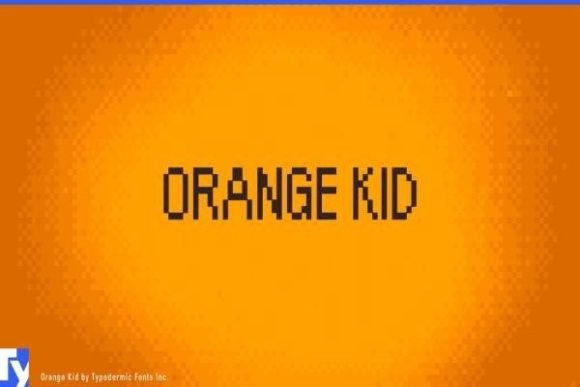
If you've ever dreamed of injecting the charming, 16-bit aesthetic of classic role-playing games into your modern design work, a font like Orange Kid can be your perfect creative catalyst. This distinctive pixel typeface, inspired by the beloved video game Earthbound and crafted by Typodermic Fonts, offers a direct line to a specific, nostalgic era of digital artistry. It’s more than just a novelty; it’s a functional tool for projects that demand a retro, playful, or distinctly digital personality.
Orange Kid is a premium font that excels as a display typeface. Its blocky, grid-based construction makes it ideal for headlines, logos, and short bursts of text where character and visual impact are paramount. Think of it as a creative font that bridges the gap between retro gaming culture and contemporary design needs. Its strength lies in its ability to evoke a specific mood instantly—whether that’s the adventurous spirit of a 90s video game, the DIY feel of early computing, or a modern, geometric simplicity.
Where Can You Use This Pixel Typeface?
The applications for a font like this are surprisingly versatile, especially for designers looking to create a strong visual hook. Consider using Orange Kid for:
- Brand Identity & Logo Design: Perfect for indie game studios, retro-themed brands, tech startups with a playful edge, or any company wanting a logo that feels approachable and memorably digital.
- Packaging & Merchandise: It shines on product labels for craft goods, apparel tags, sticker packs, or any packaging where a handcrafted, pixel-art style would resonate with the target audience.
- Poster & Editorial Design: Use it for event posters, magazine headlines, or zine titles to grab attention with a burst of nostalgic energy. It pairs well with clean sans-serif fonts for body text.
- Social Media Graphics & Web Design: Create standout YouTube thumbnails, Instagram story templates, or website banners. Its clear, bold shapes ensure readability even at smaller sizes on screens.
- Invitations & Personal Projects: Add a unique touch to gaming party invitations, custom birthday cards, or personal blog headers for a consistent, themed aesthetic.
Tips for Choosing and Using Orange Kid
Integrating any new typeface into your workflow requires a bit of strategy. To make the most of Orange Kid, start by checking its character set and available styles. Does it include the punctuation and symbols your project needs? Test its readability at the specific size you intend to use it; pixel fonts are generally best for larger, shorter text. The mood of your project should align with the font's inherent retro-game vibe—it might not be the right fit for a serious financial report, but it’s perfect for a tech blog or a creative portfolio.
One of the most important steps is font pairing. Orange Kid’s structured, geometric look pairs beautifully with simpler, more neutral typefaces. Try combining it with a clean sans-serif font for body copy to create a balanced and professional hierarchy. This contrast allows the pixel font to be the star of your headlines while maintaining overall readability.
Finally, always ensure the font license matches your intended use. Typodermic Fonts provides clear licensing information, so whether your project is for personal fun or commercial distribution, you can proceed with confidence. Using properly licensed design assets is a hallmark of professional practice.
Choosing the right typeface is a fundamental step in effective visual communication. A well-selected font like Orange Kid doesn’t just spell out words; it communicates personality, sets a scene, and builds a cohesive visual language. For projects that call for a touch of digital nostalgia, playful energy, or standout geometric clarity, this pixel font offers a reliable and creatively inspiring solution. It’s a valuable asset for any designer’s toolkit, helping to transform standard layouts into memorable, polished, and professionally engaging designs.